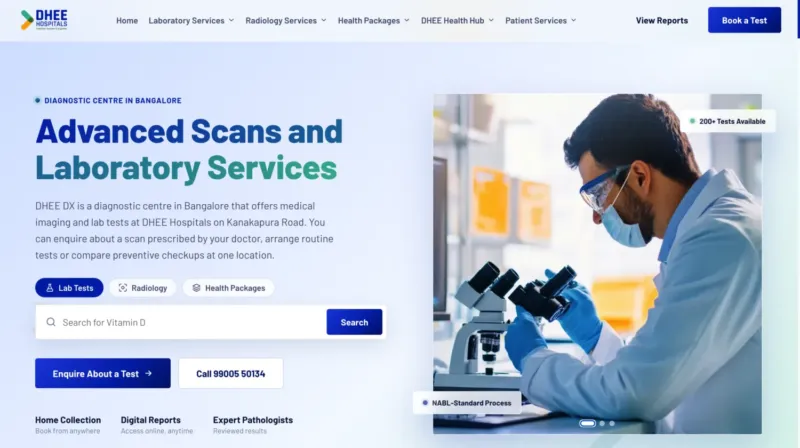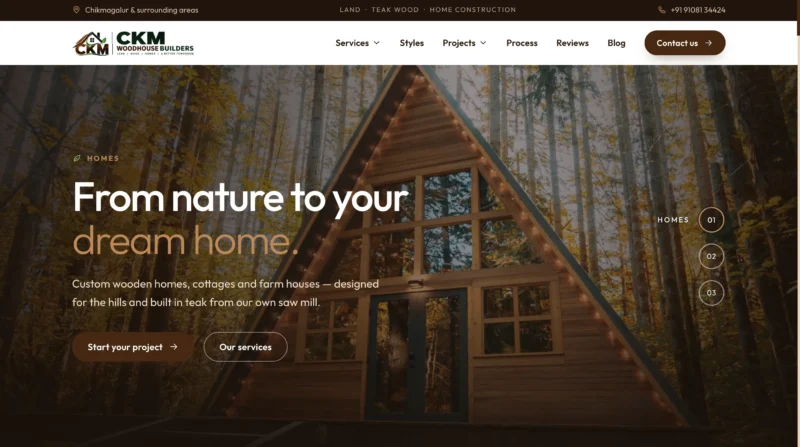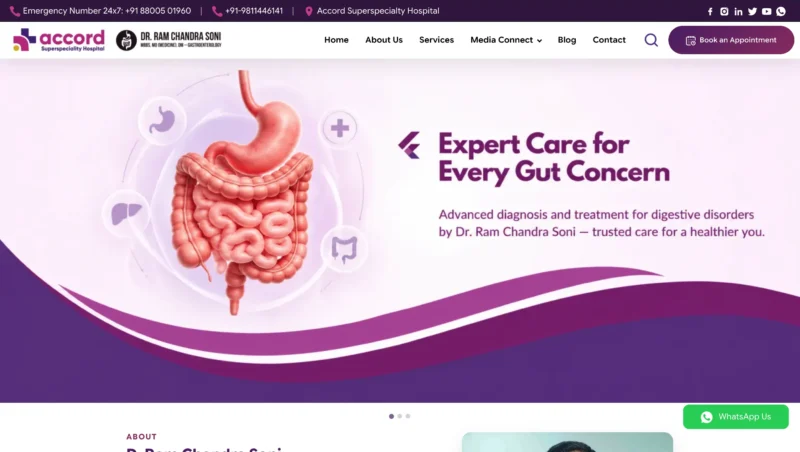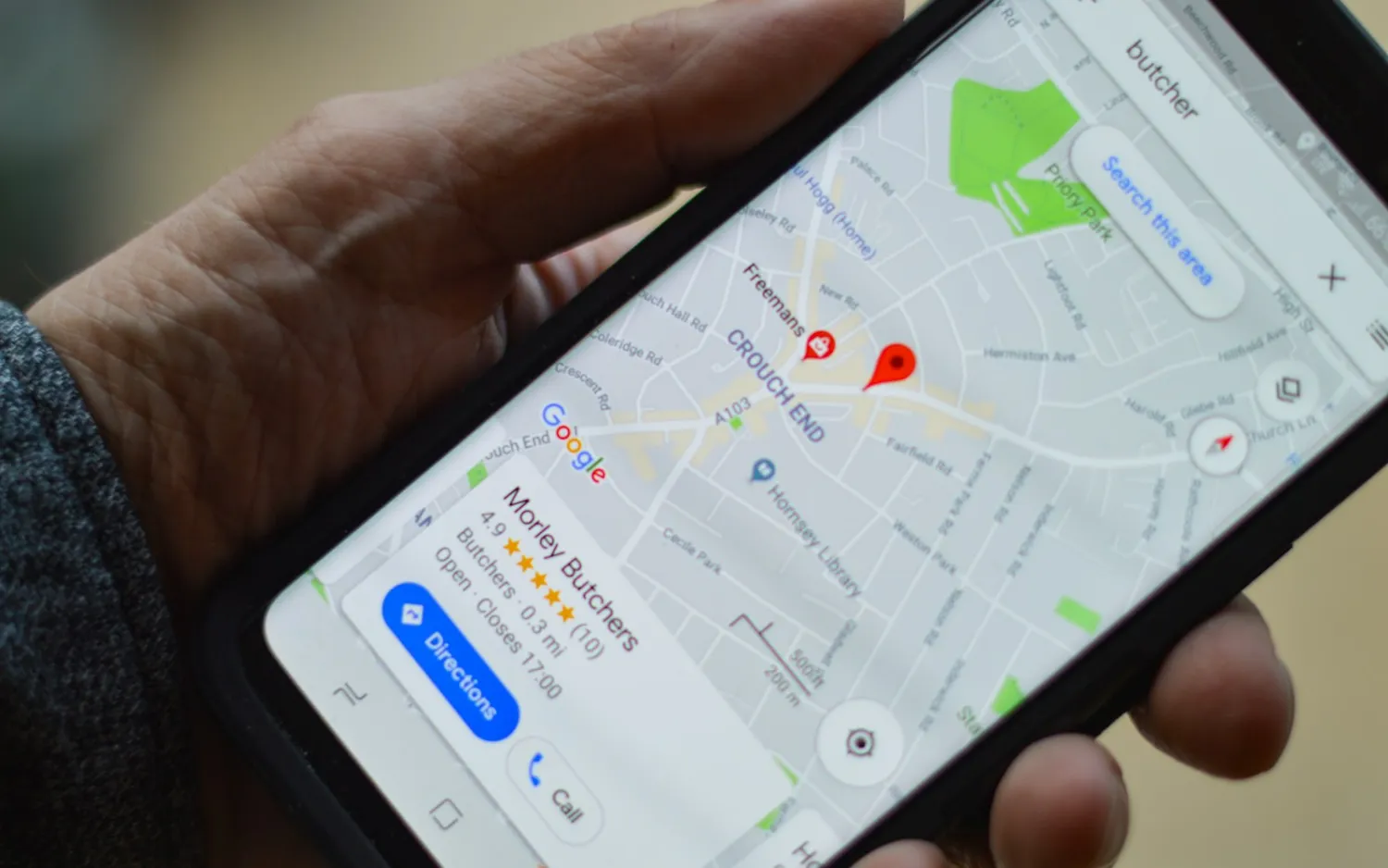
When someone needs a dentist, a clinic or a repair service, they usually search on their phone and choose from the first few results they see on Google Maps. If your business is not there, those customers are going to someone else.
Local SEO helps your business show up in those local results. This checklist covers the steps that matter most for clinics, hospitals and local service businesses.
What Is Local SEO?
Local SEO is the practice of improving your visibility in searches with local intent, such as dentist near me or best pediatrician in your city. It focuses on Google Maps, the local results box and location-based searches.
1. Claim and Complete Your Google Business Profile
Your Google Business Profile is the most important local SEO asset. Claim it, verify it and fill in every section.
- Correct business name, address and phone number.
- The right primary category and relevant secondary categories.
- Opening hours, including holidays.
- Services you offer, with short descriptions.
- A link to your website and, if relevant, an appointment link.
- Real photos of your location, team and services.
2. Keep Your Name, Address and Phone Consistent
Your business details should be identical everywhere: your website, Google profile and online directories. Differences confuse search engines and customers.
3. Collect and Respond to Reviews
Reviews affect both rankings and trust. Ask happy customers to leave an honest review, make it easy with a direct link, and reply to every review politely. Never buy or fake reviews, since this breaks platform rules and damages trust. For healthcare, avoid sharing private patient information in replies.
4. Build Local Citations
Citations are listings of your business in trusted directories. Make sure your details are accurate on the main general and industry directories relevant to your area.
5. Create Dedicated Location and Service Pages
If you have several branches or serve several areas, give each its own page with unique content, address, map, opening hours and services. Do not copy the same text across pages with only the city name changed.
6. Use Local Keywords Naturally
Include your service and location in page titles, headings and content, where it reads naturally. For example, a clinic page might focus on the treatment plus the city or area. Our SEO services start with this type of keyword research.
7. Add Local Business Schema
Structured data helps search engines understand your name, address, phone, opening hours and services. Adding LocalBusiness or relevant medical schema to your website supports your local presence.
8. Embed Your Map and Make Contact Easy
Add your Google Map, address and click-to-call button to your contact page and footer. Make it simple to call, message or book from a phone.
9. Make Your Website Fast and Mobile-Friendly
Most local searches happen on phones. A slow or hard-to-use website sends visitors back to the results. If your site feels outdated, a website redesign or speed optimization can make a big difference.
10. Publish Helpful Local Content
Write pages and articles that answer questions your patients or customers actually ask. Good content writing builds trust and brings extra search traffic. For medical topics, keep information accurate, avoid exaggerated promises and have it reviewed by a qualified professional.
11. Use Google Posts and Keep Your Profile Fresh
Share offers, updates and news on your Google Business Profile, and update your hours and services whenever they change. An active profile signals that your business is open and reliable.
12. Track Calls, Directions and Enquiries
Local SEO should bring calls and visits, not just rankings. Track phone calls, direction requests, website clicks and form enquiries so you can see what is working.
Add Paid Search for Faster Results
SEO takes time. To get enquiries sooner, you can run Google Ads for local searches while your organic rankings grow.
Local SEO Mistakes to Avoid
- Using different business names or numbers in different places.
- Keyword stuffing in your business name on Google.
- Buying fake reviews.
- Creating fake locations or virtual addresses.
- Ignoring the mobile experience of your website.
A Simple Monthly Local SEO Routine
Local SEO is not a one-time job. A short monthly routine keeps your presence strong and helps you notice problems early.
- Check your Google Business Profile: confirm hours, services, phone number and photos are correct.
- Add fresh content: post an update, offer or news item, and add new photos.
- Reply to all reviews: thank people and respond calmly to any complaints.
- Ask for new reviews: after each good service experience, send a polite request with a direct link.
- Review your numbers: look at calls, direction requests, website clicks and form enquiries.
- Fix website issues: check speed, broken links and mobile display.
Thirty to sixty minutes a month is often enough to keep the basics in good shape once everything is set up.
Extra Tips for Clinics and Healthcare Providers
Healthcare websites need extra care because people search for sensitive topics and rely on accurate information.
- Create a page for each doctor or specialist, with qualifications, experience and the services they provide.
- Create pages for each treatment or service, explaining it in clear, simple language.
- Keep claims honest: avoid guarantees or exaggerated promises about results.
- Protect privacy: never publish patient details in reviews, replies or photos without proper consent.
- Make booking easy: show a clear call button, appointment form or booking link.
- Have medical content reviewed by a qualified professional before publishing.
Trust is especially important in healthcare, so accuracy and clarity matter as much as rankings.
Handling Multiple Locations
If you have several clinics or branches, each one needs its own identity online.
- Create a separate Google Business Profile for each real location.
- Give each branch its own page on your website with a unique address, phone number, map and local details.
- Keep names and numbers consistent everywhere.
- Collect reviews for each location separately.
- Avoid copying the same text across location pages, since it adds little value.
Measuring Local SEO Success
Do not judge local SEO only by rankings, which can vary by person and location. Instead, track what matters to your business:
- Phone calls and direction requests from your Google profile.
- Website visits from local searches.
- Form enquiries and bookings.
- The number and rating of new reviews.
If these numbers grow over a few months, your local SEO is working. If not, review your profile, website speed and content with a professional local SEO audit.
Conclusion: Be the Business People Find First
Local SEO is a steady process, not a one-time task. A complete profile, consistent details, genuine reviews and a fast, helpful website will help more local customers find and choose you.
Want help with local SEO? Get a free quote and we will review your current local presence.
Frequently Asked Questions
How long does local SEO take to work?
Many businesses see early improvements within a few months, but results depend on your competition, location and starting point.
Do I need a website for local SEO?
A complete Google Business Profile can bring calls on its own, but a good website helps you rank higher and convert more visitors.
How important are Google reviews for local SEO?
Reviews are important for both rankings and trust. Genuine, recent reviews and polite replies help your business stand out.
Can clinics and hospitals do local SEO?
Yes. Clinics and hospitals benefit a lot from local SEO, as long as medical information is accurate and patient privacy is respected.
What is the difference between local SEO and regular SEO?
Regular SEO targets visitors from anywhere, while local SEO targets customers in a specific city or area using Google Maps, reviews and local pages.